Approximately 70–80% of retail forex traders lose money, which means that choosing the wrong forex signals can compound an already high level of risk instead of helping you. If you are new to trading, forex signals can provide structure, but only if you know how to evaluate the people and systems behind them. In this guide, we explain how forex signals work, what to look for in a signal provider, and how to use signals responsibly, with a strong focus on risk management and realistic expectations.
Key Takeaways
| Question | Answer |
|---|---|
| 1. What are forex signals for beginners? | They are trade ideas with entry, stop loss and take profit levels, sent by a human analyst or an algorithm. New traders should treat them as educational guidance, not as guaranteed profit tools. |
| 2. How do I judge the best forex signals? | Prioritise signal provider transparency, verified performance data, clear risk management rules and realistic communication about losses as well as wins. For example, providers that publish detailed results, like the performance pages linked from their sites, offer more accountability. |
| 3. How do forex signals work in practice? | You receive alerts (often via Telegram, app or email) with market, direction, entry zone, stop loss and targets. You either place trades manually or use tools such as a trading assistant app that can help automate copying and position management. |
| 4. Should beginners use free vs paid forex signals? | Free signals can be useful for learning, but paid services should offer added value such as clearer strategies, education, better risk controls and documented track records. Always compare cost to the quality and transparency of the service. |
| 5. How can I check if a provider is serious about risk? | Look for explicit forex risk management rules, examples of losing streaks, and consistent risk warnings. Reputable providers, similar to those that share their ethos on pages like about-us sections, emphasise education and discipline instead of “get rich quick” messaging. |
| 6. Where can I see historical results? | Serious providers share historical signal performance, often including charts or statistics. For instance, performance pages such as results over time help you assess consistency rather than isolated winning trades. |
| 7. Is this article financial advice? | No. This article is for educational purposes only. It does not contain personalised investment advice, and forex and CFD trading carry a high risk of loss. |
1. Understanding How Forex Signals Work Before You Subscribe
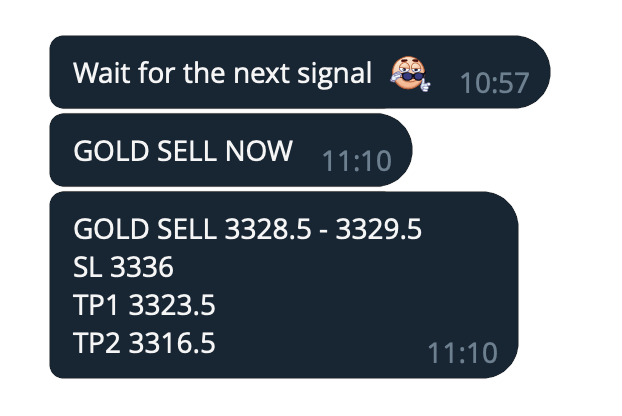
Before we can talk about the best forex signals for beginners, we need a clear, practical definition of what a signal actually is. A forex signal is a structured trade idea that tells you what to buy or sell, at what price, and where to place your stop loss and take profit.
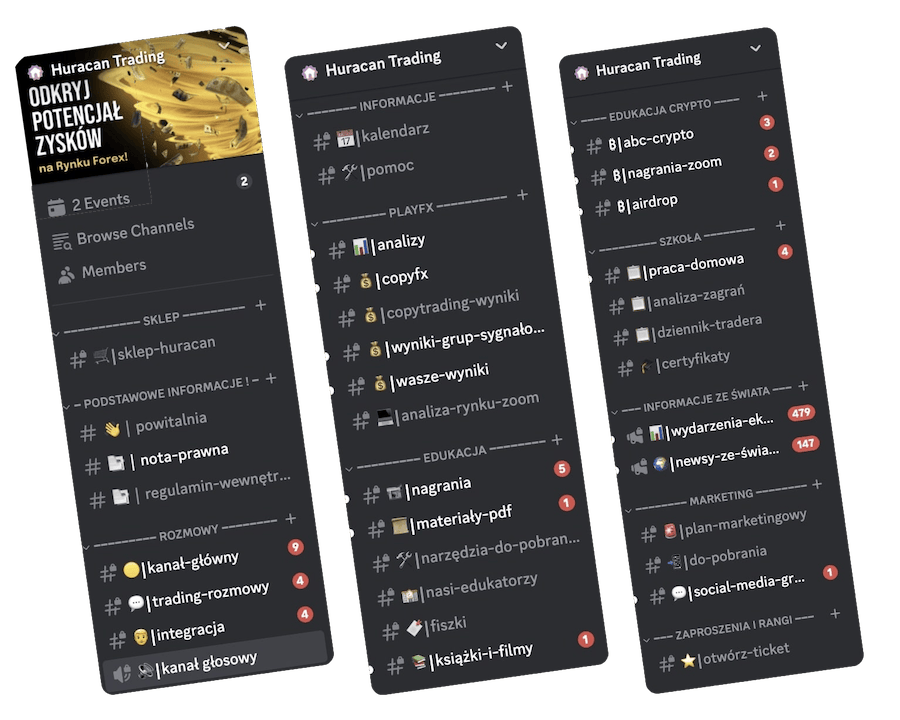
Signals can be generated by a human analyst, a semi-automated system, or a fully algorithmic strategy. They are usually delivered via Telegram, Discord, email or a dedicated platform, and may focus on intraday trades, swing trades or longer term positions. As a new trader, your goal is to use these signals to learn how decisions are made, not to outsource all responsibility for your trading account.

For beginners, the most useful signals include clear risk parameters, not just entries and targets. A complete signal should specify the instrument, direction, entry price or zone, stop loss, one or more take profit levels and sometimes the rationale. If a provider does not consistently include risk information, that is a red flag.
New traders should also understand that signals are probabilistic. Even the best forex signals will have losing trades, and you should expect drawdowns. Your task is to evaluate whether the signal approach is consistent, risk aware and aligned with your own tolerance for volatility.
2. Free vs Paid Forex Signals: What Beginners Really Need To Compare
The free vs paid forex signals discussion often focuses on cost, but for beginners the core issue is value and reliability. Free signals can give you a low-commitment way to observe how forex signals work, but they may come with limited explanation, inconsistent delivery or aggressive upselling.
Paid services should, in principle, offer more structure. For example, some providers list clear pricing such as $69 for intraday gold signals or swing trading signals on gold and indices. When you see specific pricing like this, ask what you get for that fee: strategy clarity, support, education, and especially performance transparency.

When comparing free vs paid forex signals for beginners, use a simple checklist:
- Does the provider disclose a clear strategy or approach, or is it completely opaque?
- Are risk limits and position sizing guidelines included with signals?
- Is there a documented performance history, not just selective screenshots?
- Do they communicate losing periods honestly, or only highlight perfect trades?
- Is support available if you do not understand a signal?
A paid service that fails these tests is not automatically better than a free one. Price alone does not guarantee quality. As beginners, we should only pay when the additional structure and transparency are clear and verifiable.
3. Signal Provider Transparency: How To Separate Serious Services From Hype
Signal provider transparency is one of the strongest indicators of whether a service is worth your attention. Transparent providers explain who is behind the signals, what their mission is, and how they think about trading, risk and education.
For example, some teams describe themselves as traders who want to make markets “accessible, understandable and real”, and openly state that trading is not a get rich quick scheme but a craft that can be learned. This sort of language, especially when combined with clear team information and contact options, is more consistent with a professional mindset than anonymous channels promising instant wealth.

When we evaluate transparency, we look for:
- Clear information on who runs the signals and their experience.
- Honest discussion of risk and the learning curve.
- Availability of contact channels for questions or concerns.
- Publicly accessible FAQs that explain how the service operates.
As beginners, we should be particularly cautious with providers that avoid any form of verification or identity. Lack of transparency does not automatically mean a scam, but it increases the difficulty of doing due diligence on the people guiding your trading decisions.
Did You Know?
Over 90,000 people lost around £75 million over four years from CFDs promoted by “finfluencers”, according to the UK FCA, which highlights the danger of following unverified trading tips and signal promotions.
4. Reading Historical Results: What To Look For In Forex Signal Track Records
Many traders search for “best forex signals” and immediately focus on win rate. For beginners, that is not enough. A 90% win rate with poor risk management can still blow an account if the losing trades are uncontrolled.
When a provider publishes historical signal performance, whether via Telegram summaries, charts, or dedicated results pages, focus on consistency and risk, not just raw pips. Ask how deep the worst drawdown was, how long losing streaks lasted, and how risk per trade was managed across different market conditions.
A practical way to evaluate results is to build a simple table from the provider’s data:
| Metric | What You Want To See |
|---|---|
| Time period | Results across several months or years, not just a few weeks. |
| Number of trades | Sufficient sample size to judge consistency. |
| Max drawdown | Clearly stated and compatible with your risk tolerance. |
| Win rate and risk to reward | Balanced relationship, not only one impressive number. |
| Transparency on losing periods | Documented losing months and how they were managed. |
Signals without any verifiable performance data should be treated very cautiously. As beginners, we do not need perfection, but we do need enough information to make informed decisions about who we follow.
5. Forex Risk Management: Using Signals Without Blowing Your Account
Forex risk management is the foundation that allows signals to be useful rather than dangerous. Even if you follow high quality alerts, using oversized positions or ignoring stop losses can quickly lead to large losses.
A responsible signal provider will repeat that trading involves risk and that you should only trade with money you can afford to lose. You should also see guidance on position sizing, such as risking a fixed percentage of your account per trade, and explicit stop loss levels within each signal.
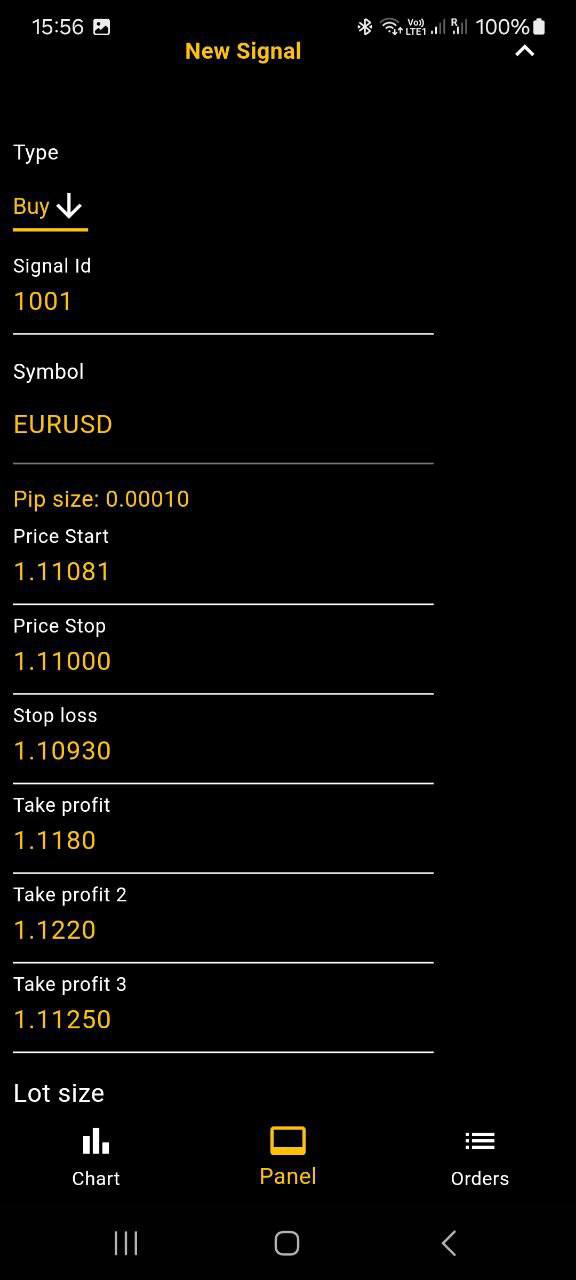
Some services complement signals with tools that support smarter execution. For instance, a trading assistant application priced from around PLN 249 might offer automatic copying of strategies and smart risk management features, including optimised position sizing and advanced order management. These tools do not remove risk, but they can help beginners avoid basic execution errors if used correctly.
At minimum, we recommend that new traders following forex signals:
- Define a fixed percentage risk per trade (for example, 0.5% to 1% of account equity).
- Use the signal’s stop loss, not a wider one to “give it more room”.
- Avoid compounding risk by taking multiple correlated signals at the same time.
- Track their own equity curve and drawdown, not only the provider’s statistics.
6. Matching Signal Types To Your Lifestyle: Intraday vs Swing Signals
Even the best forex signals will not help beginners if the style is incompatible with their schedule and personality. Intraday signals can require frequent monitoring and fast reactions, while swing signals prioritise fewer, longer duration trades.
Some providers separate these styles clearly. For example, you might see an intraday gold signal service like “Gold Sniper” around $69 that focuses on XAUUSD during the trading day, a major pairs service such as “Let’s Play VIP” at a similar price, and a swing-focused product like “Swing Master” at around $69 for gold and indices on higher time frames.
To decide which style suits you, consider:
- Time availability: Can you monitor charts several times a day, or only once or twice?
- Stress tolerance: Do you prefer many small decisions or fewer, larger ones?
- Broker conditions: Are your spreads and swaps suitable for the chosen time frame?
Beginners often find swing trading signals more compatible with a full-time job or studies, since they require less intraday screen time. However, the right choice depends on your routine and how you respond to market fluctuations.
Did You Know?
Cross‑EU regulatory data show that around 74–89% of retail CFD accounts lose money, which is why regulators require standardised risk warnings and product interventions for leveraged trading.
7. Technology And Automation: Copy Trading, Apps And Execution Quality
For beginners, one common source of frustration is missing entries or misplacing stop losses when following manual forex signals. This is where technology and automation can help, provided you understand their limitations.
Some providers offer a trading assistant app that automatically copies their signals and integrates advanced position management. Typical features might include automatic trade execution based on provider alerts, partial take profits, breakeven adjustments and dynamic position sizing. Pricing can start around PLN 249, depending on the feature set.

When we evaluate such tools, especially for beginners, we focus on:
- Control: Can you adjust risk per trade or pause copying easily?
- Transparency: Is it clear what rules the app uses to manage positions?
- Compatibility: Does it work with your broker and account type?
- Support: Is there guidance on how to set it up safely for small accounts?
Automation does not remove the need to understand how forex signals work. Instead, it should reduce execution errors while you continue learning about strategy, risk and psychology. Beginners should treat automation as a support tool, not a guarantee of performance.
8. Common Forex Trading Mistakes Beginners Make With Signals
Even when following high quality forex signals for beginners, many new traders fall into predictable traps. Recognising these mistakes early can save you both capital and time.
The most frequent issues we see include overleveraging on a few trades, hopping between multiple providers after a short losing streak, ignoring risk guidelines that come with the signals, and taking trades that are not part of the signal set out of boredom or fear of missing out.
To avoid these common forex trading mistakes beginners should:
- Commit to testing one provider or approach for a defined period, such as 2 to 3 months, with small risk.
- Use a journal to log each signal you take, including whether you followed the rules exactly.
- Avoid increasing position size after a winning streak in an attempt to “accelerate” results.
- Accept that even the best forex signals will have sequences of losses and that this does not automatically mean the strategy is broken.
Signals should simplify decision making, not remove responsibility. Beginners who treat signals as a tool to be integrated into a disciplined plan generally have a more stable learning curve than those who chase the latest “hot” channel.
9. Evaluating Communication, Support And Education Around Signals
A forex signal service is not just about entries and exits. For beginners, the quality of communication, support and education can be almost as important as raw performance numbers.
We look for providers that encourage questions, explain their reasoning in at least some detail, and provide educational content that helps you understand market structure, risk and psychology. Contact pages that clearly invite questions and emphasise that “we are here to help you in any way we can” are a positive sign, especially when backed by responsive support.

For beginners, useful forms of support include:
- Clear FAQs about how to interpret and execute signals.
- Guidance on broker selection, spreads and practical issues.
- Group environments where trades can be discussed constructively.
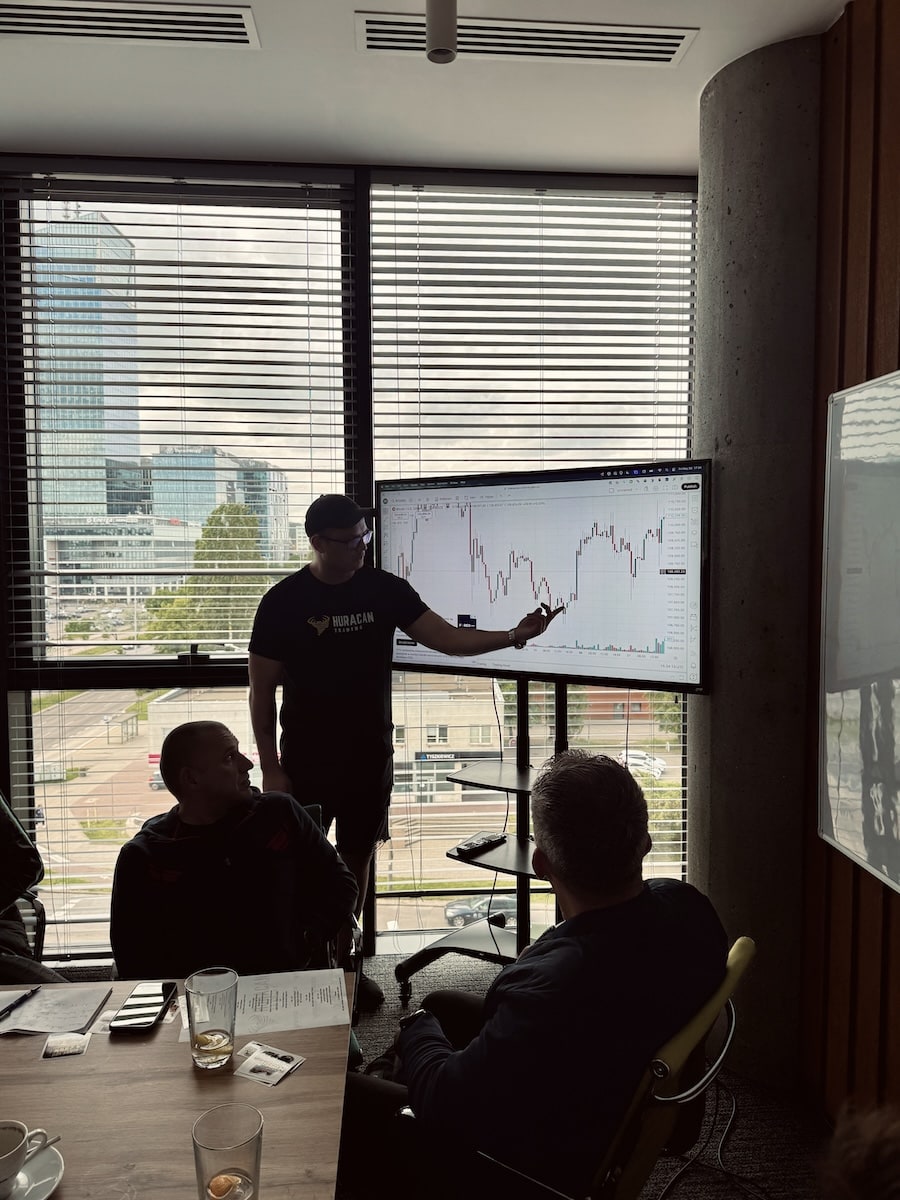
- Educational materials that go beyond marketing and show real examples of both winning and losing trades.
When a provider invests in education and accessible communication, it signals that they are focused on building long term relationships rather than simply selling subscriptions. This context is valuable when you are deciding who to trust as you start your trading journey.
10. A Practical Checklist For Choosing The Best Forex Signals For Beginners
To make this concrete, here is a practical, checklist-style framework you can use when comparing forex signal providers. We recommend printing or saving it and applying it to each service you consider.
Provider Credibility And Transparency
- Named team or company behind the signals.
- Public mission or philosophy that treats trading as a skill, not a lottery.
- Clear risk warnings and no financial guarantees or profit promises.
Strategy And Signal Quality
- Defined markets (for example, gold, major forex pairs, indices).
- Specified style (intraday, swing, or mixed packages like “Max”).
- Every signal includes entry, stop loss and target(s).
Performance And Risk Management
- Documented historical results, ideally over many months.
- Discussion of drawdowns and losing streaks.
- Guidance on position sizing and maximum recommended risk per trade.
Support, Tools And Costs
- Reasonable pricing relative to what is offered, $69 or another level.
- Optional tools such as a trading assistant with automated copying and management, starting from around PLN 249, clearly explained.
- Responsive support channels for technical or trading related questions.
Risk disclaimer: All information in this article is for educational purposes only. It does not constitute financial advice, investment recommendation or an offer to buy or sell any financial instrument. Forex and CFD trading involve a high level of risk and may not be suitable for all investors. You should carefully consider your objectives, experience level and risk appetite before trading, and you can lose more than your initial investment.
Conclusion
Choosing the best forex signals for new traders is less about finding a perfect win rate and more about finding a transparent, disciplined framework that fits your lifestyle and risk tolerance. Quality providers explain who they are, how forex signals work in their approach, and how they manage risk over time, while also publishing meaningful performance data.
As beginners, we should treat signals as a learning aid, not a shortcut. By focusing on signal provider transparency, realistic expectations, robust forex risk management and a clear understanding of free vs paid forex signals, you can build a more informed, data driven process for deciding who to follow, and how to integrate signals into your own trading development.